What Happens if You Pressure Wash Damaged or Cracked Pavers?
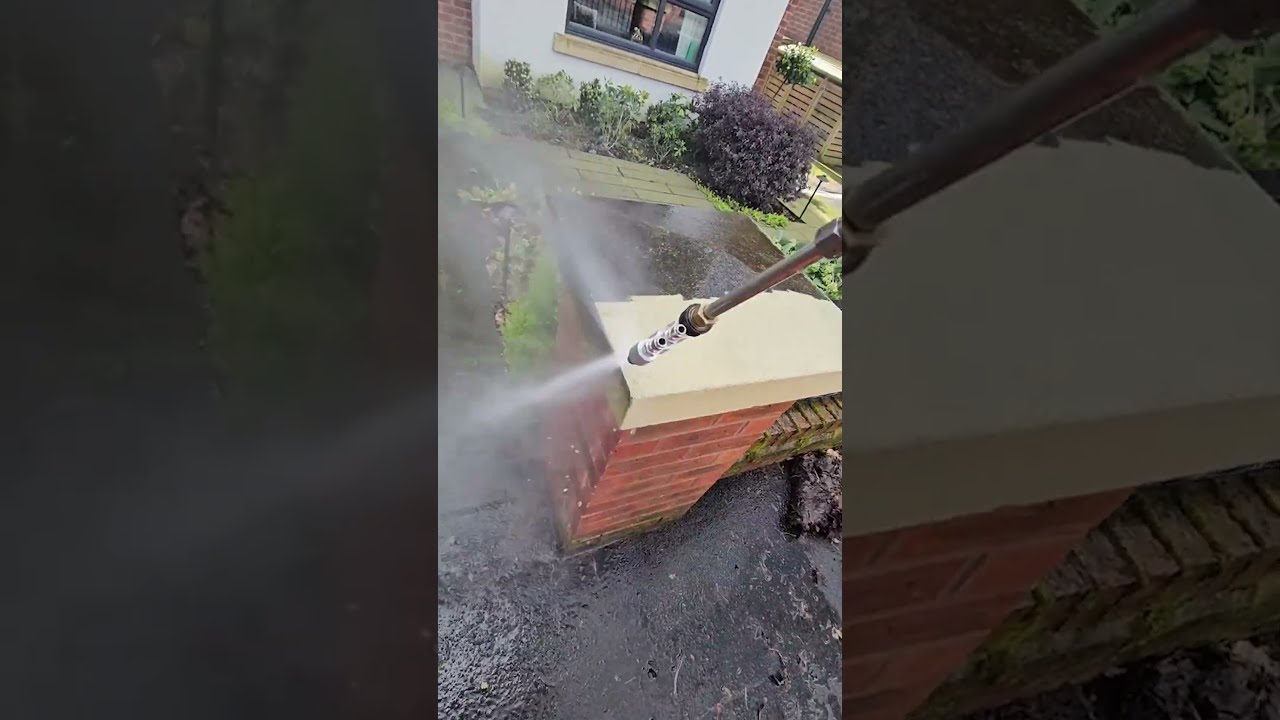
Pressure washing is one of the fastest ways to refresh tired outdoor paving, but it is not always the right choice when pavers are already damaged. Across Sydney and the Sutherland Shire, from Cronulla and Caringbah to Sutherland, Engadine and Menai, homeowners often discover cracked, loose or sunken pavers just as they are preparing to clean. Blasting these surfaces with high-pressure water can turn a minor repair job into a major and costly one. This guide explains what actually happens when you pressure wash damaged or cracked pavers, why it matters, and how to approach cleaning safely.
Why Damaged Pavers React Badly to High Pressure
A healthy paved surface relies on several components working together: the pavers themselves, the bedding sand beneath them, the jointing sand between them, and the compacted base below. Pressure washing places stress on all of these. When pavers are already cracked, chipped or loose, the structure has weak points that a concentrated jet of water can exploit.
Most domestic pressure washers produce between 2,000 and 3,000 PSI, and commercial units can go well beyond that. Concrete and clay pavers can handle controlled cleaning when they are in good condition, but a cracked paver has already lost structural integrity. Water forced into a crack at high velocity acts like a wedge, widening the gap and breaking off fragments.
What Happens When You Pressure Wash Cracked Pavers
Cracks Widen and Spread
High-pressure water enters hairline cracks and expands them. Edges flake away, and a single crack can branch into several. A paver that could have been left alone or replaced individually may crumble entirely, leaving a hole in the pattern.
Surface Layers Peel and Erode
Many concrete pavers have a thin surface layer that provides colour and texture. When this layer is already compromised by wear, UV exposure or cracking, pressure washing can strip it away in patches. The result is a blotchy, uneven look with exposed aggregate that is rougher and more porous than the original finish.
Joint Sand Is Blasted Out
Jointing sand locks pavers together and prevents movement. Pressure washing at close range removes this sand quickly, especially in wide or already damaged joints. Without it, pavers shift, edges chip against each other, and the surface becomes less stable underfoot or under vehicle loads.
Bedding Sand Washes Out From Beneath
Where pavers are cracked or joints are open, water can travel down to the bedding layer and wash fine sand away. This creates voids under the pavers. Over time, those voids lead to sinking, rocking and further cracking when weight is applied. Driveways in the Sutherland Shire that carry regular vehicle traffic are particularly vulnerable.
Loose Pavers Are Dislodged
Pavers that are already lifting or wobbly can be flipped or thrown out of position by a pressure washer. This is both a property damage risk and a safety hazard, as fragments of concrete or clay can be projected at speed.
Local Factors in the Sutherland Shire
Local conditions add to the risk. Many properties in the Shire sit on sandy soils or sloping blocks, where drainage and ground movement https://chanceyrqq272.brightpathdigest.com/posts/how-pressure-cleaning-boosts-property-value-before-sale already put pressure on paving. Coastal suburbs near Cronulla, Kurnell and Sylvania Waters experience salt-laden air that can accelerate surface deterioration in concrete pavers. Tree roots from established street trees and backyard plantings are another common cause of lifted and cracked pavers across the area.
Heavy rain events, which are a regular feature of Sydney weather, can also saturate the base beneath paving. If a pressure washer then adds further water into open joints and cracks, the base can soften, and settlement problems can worsen.
Risks Beyond the Pavers Themselves
The consequences are not limited to the paving surface. Consider these additional risks:
- Trip hazards: Dislodged or uneven pavers create hazards for family members, visitors and delivery workers, which can raise liability concerns.
- Water pooling and drainage problems: Washed-out bedding can change surface falls, causing water to pool near doors, garages or foundations.
- Weed and moss regrowth: Open joints and exposed, roughened surfaces hold moisture and organic matter, so moss, algae and weeds return faster.
- Splash-back damage: High-pressure water can damage render, paint, weatherboards, window seals and garden beds when it ricochets off broken surfaces.
- Wasted money: Repairs after a pressure washing mishap often cost far more than the cleaning itself.
How to Assess Your Pavers Before Cleaning
Before you switch on a pressure washer, walk the area and inspect it carefully. Look for the following warning signs:
- Visible cracks, including hairline cracks that run across a paver
- Chipped corners or crumbling edges
- Pavers that rock, sink or sit higher than their neighbours
- Large gaps or missing jointing sand
- Efflorescence, which is a white powdery deposit that can indicate moisture problems
- Areas where water regularly pools after rain
If you notice several of these issues, repair first and clean second. Cleaning damaged paving without addressing underlying faults rarely delivers lasting results.
Safer Ways to Clean Damaged Pavers
Repair Before You Clean
Replace badly cracked pavers, re-level sunken areas, and top up the bedding sand where needed. After cleaning, re-sand the joints with a suitable jointing product, such as kiln-dried sand or a polymeric sand, to lock the pavers back together.
Use Lower Pressure and the Right Technique
If the damage is minor and limited to a few pavers, reduce the pressure and use a wide fan nozzle, typically a 25 to 40 degree tip. Keep the nozzle at least 30 centimetres from the surface and avoid aiming directly into joints or cracks. Work in sweeping, consistent passes rather than concentrating on one spot.
Consider Soft Washing and Manual Methods
For fragile surfaces, soft washing uses low pressure combined with appropriate cleaning solutions to break down algae, mould and grime without aggressive force. A stiff broom, a nylon brush and a biodegradable paving cleaner can also be effective on small areas. These methods are gentler on cracked or ageing pavers and are often better suited to older Sydney homes with weathered paving.
Protect Surrounding Areas
Mind nearby gardens, drains and stormwater pits. In New South Wales, wash water containing detergents, oils or sediment should not be allowed to flow into the stormwater system, as it ultimately ends up in local waterways such as Port Hacking, Botany Bay and the Georges River. Where possible, direct wash water onto lawn or garden areas, or use a wash water recovery method, and choose environmentally responsible cleaning products.
Sealing Pavers After Repair and Cleaning
Once repairs are complete and the surface is clean and fully dry, consider applying a quality paver sealer. Sealing helps resist stains, slows moss and algae growth, and can stabilise jointing sand. Always allow adequate drying time, which may be 24 to 48 hours or longer in humid Sydney conditions, before sealing. Sealing over damp or dirty pavers can trap moisture and cause cloudy or patchy finishes.
When to Call a Professional
Professional help is worth considering in several situations:
- Large areas such as driveways, pool surrounds or entertaining areas show widespread cracking or sinking
- You suspect tree roots, drainage faults or base failure
- The pavers are heritage, imported or specialty products that need particular care
- You want a combined clean, repair, re-sand and seal service
An experienced local contractor will assess the condition of your paving, recommend the right pressure and method, and carry out repairs before cleaning begins. They are also familiar with Sutherland Shire conditions, including sandy soils, coastal exposure and the effects of heavy seasonal rain on paving.
Frequently Asked Questions
Can pressure washing fix cracked pavers?
No. Pressure washing only cleans the surface. It cannot repair cracks, and it is more likely to make them worse. Cracked pavers need to be replaced or repaired.
Is it ever safe to pressure wash pavers with minor damage?
It can be, provided the damage is limited to surface wear or very small chips, the pavers are firmly bedded, and you use low pressure with a wide fan nozzle. When in doubt, choose soft washing or hand cleaning instead.
What pressure is safe for pavers in good condition?
Many concrete and clay pavers tolerate roughly 1,500 to 2,500 PSI when used with a wide nozzle and correct distance. Softer materials like limestone, sandstone and some older pavers need considerably less. Always test a small, inconspicuous area first.
Should I re-sand the joints after cleaning?
Yes. Pressure washing and even gentle cleaning can remove jointing sand. Re-sanding restores stability, reduces weed growth and helps keep pavers from shifting.
Key Takeaways
Pressure washing damaged or cracked pavers can widen cracks, strip surfaces, remove jointing sand, wash out bedding material and dislodge loose units. The outcome is often a weaker, uglier and more expensive problem than the one you started with. For Sutherland Shire homeowners, the smarter approach is to inspect first, repair damaged areas, clean with a method suited to the condition of the paving, and finish with re-sanding and sealing. Taking these steps in 2026 and beyond will help your paving last well into 2027 and the years ahead, while keeping your outdoor spaces safe and attractive.
Sutherland Shire Pressure Cleaning Pros
Unit 4/78 Bellingara Rd, Miranda NSW 2228
(02) 9541 8700